
Structured community planning is essential for creating sustainable, livable, and organized urban spaces. Real estate projects play a pivotal role in shaping the framework of neighborhoods, towns, and cities.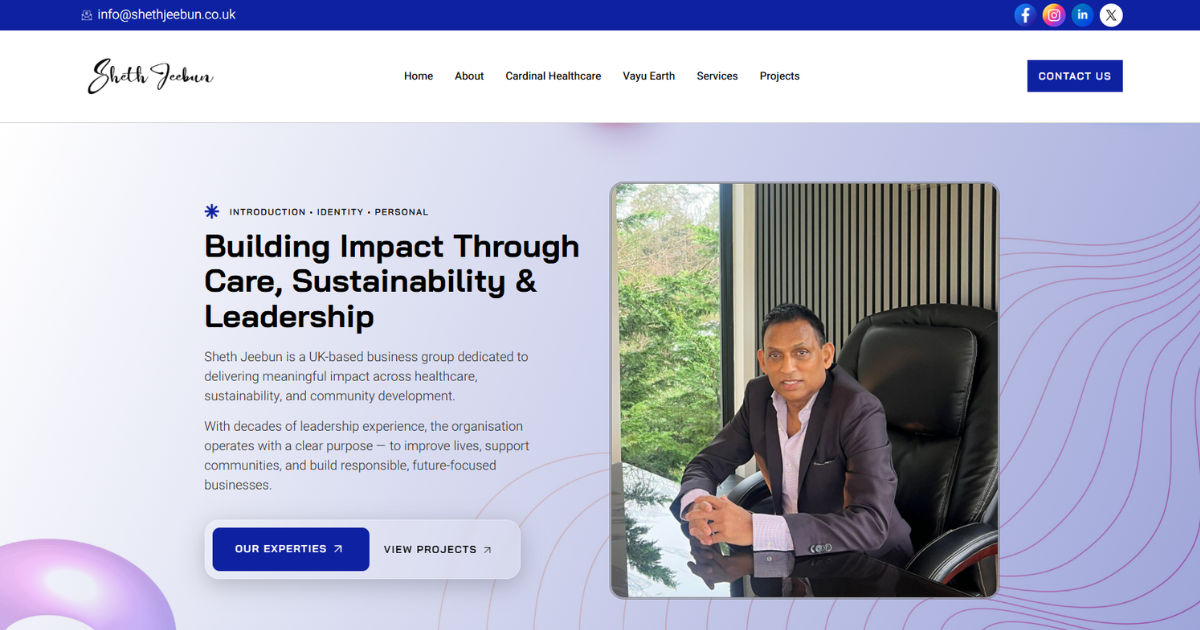
By integrating thoughtful design, infrastructure development, and social amenities, real estate developers can ensure that communities grow in an organized manner.
This process involves careful planning, consideration of residents' needs, and long-term vision. When executed effectively, it fosters harmonious living spaces where people can thrive.
In this context, concepts such as Sheth Jeebun compassionate care leadership have become increasingly significant.
Developers who prioritize compassionate leadership tend to focus not only on physical structures but also on the overall well-being of the community.
This approach ensures that real estate projects are aligned with the needs of the people, encouraging social cohesion, safety, and inclusivity.
The Role of Real Estate Projects in Urban Development
Real estate projects are more than just buildings; they are the backbone of urban development. These projects contribute to structured community planning by introducing a systematic layout that supports residential, commercial, and recreational spaces. Well-planned projects reduce congestion, improve accessibility, and enhance the quality of life for residents.
Structured communities often include a mix of housing types, roads, green spaces, educational institutions, and healthcare facilities. By strategically placing these elements, developers create a balanced environment where daily activities can be carried out efficiently. For instance, well-planned residential zones near schools and markets reduce commute times and enhance convenience.
Furthermore, real estate projects encourage economic growth. Commercial zones integrated into residential communities create job opportunities and stimulate local businesses. Developers who adopt principles like Sheth Jeebun compassionate care leadership ensure that these projects are designed to serve both economic and social purposes.
Planning for Sustainability and Environmental Responsibility
One of the key aspects of structured community planning is sustainability. Modern real estate projects incorporate green spaces, energy-efficient buildings, and environmentally friendly infrastructure. These features not only improve the aesthetics of a community but also promote environmental responsibility among residents.
Developers play a crucial role in integrating renewable energy sources, water management systems, and waste recycling facilities into their projects. Sustainable planning ensures that communities can maintain a high quality of life without depleting natural resources. By following environmentally conscious design practices, developers create resilient communities capable of withstanding urban pressures.
The influence of Sheth Jeebun compassionate care leadership is evident here, as projects led with compassion often prioritize long-term environmental well-being over short-term profits. This focus ensures that the community remains livable for generations.
Enhancing Social Infrastructure
Real estate projects are central to building social infrastructure, which includes schools, hospitals, community centers, and recreational facilities. Structured planning ensures that these amenities are accessible to all residents.
Educational institutions within planned communities create a supportive environment for families, while healthcare facilities improve overall well-being. Community centers and parks encourage social interaction, fostering a sense of belonging among residents. Developers who practice Sheth Jeebun compassionate care leadership emphasize inclusivity, ensuring that every member of the community has access to essential services and spaces for recreation.
Social infrastructure is vital for creating resilient communities. By anticipating the needs of residents, developers can create neighborhoods that are self-sufficient, vibrant, and safe. Well-planned community spaces also help reduce crime and enhance social cohesion, as residents are more likely to engage in positive social behaviors when they feel connected to their environment.
Strategic Layout and Zoning
Zoning is a critical component of structured community planning. Real estate projects use zoning to separate residential, commercial, and industrial areas. This ensures that communities function efficiently and safely.
Proper zoning reduces conflicts between incompatible land uses, such as separating residential areas from heavy industrial zones. It also helps maintain property values and improves the overall quality of life for residents. Developers who embrace Sheth Jeebun compassionate care leadership often go beyond legal requirements, considering how zoning impacts daily life, accessibility, and community harmony.
Strategic layouts often incorporate walkable streets, public transport access, and traffic management systems. These elements ensure smooth mobility, reduce congestion, and enhance safety. Thoughtful street planning also supports emergency services, making communities more resilient to natural disasters or other crises.
Promoting Economic Stability
Structured community planning through real estate projects directly contributes to economic stability. By creating organized spaces with residential, commercial, and industrial zones, developers attract businesses, encourage entrepreneurship, and generate employment opportunities.
Mixed-use developments, which combine residential apartments with commercial establishments, are an example of how real estate projects support economic growth. Residents benefit from nearby shopping, services, and job opportunities, while businesses benefit from a ready customer base. Developers guided by Sheth Jeebun compassionate care leadership ensure that economic opportunities are distributed fairly and support the long-term prosperity of the community.
Encouraging Social Cohesion
A well-planned community encourages residents to interact and form strong social bonds. Real estate projects that incorporate parks, recreational areas, walking trails, and community halls foster a sense of belonging and collective identity.
Structured community planning also accounts for cultural diversity and inclusivity. By creating spaces where people from different backgrounds can gather, developers enhance social cohesion. Residents are more likely to participate in local activities, volunteer for community initiatives, and support neighbors, which strengthens the social fabric of the neighborhood.
In projects led by Sheth Jeebun compassionate care leadership, the focus is on human-centered design. Developers consider how community members will live, work, and interact, ensuring that spaces are not just functional but also welcoming and supportive.
Infrastructure Development and Connectivity
Infrastructure is a cornerstone of structured community planning. Real estate projects drive the development of roads, bridges, public transportation networks, and utilities, ensuring seamless connectivity within and outside the community.
Reliable infrastructure reduces travel time, enhances safety, and improves access to essential services. Well-connected communities attract more residents and businesses, contributing to urban growth. Developers who integrate Sheth Jeebun compassionate care leadership focus on creating infrastructure that benefits all residents, from young families to elderly citizens, ensuring equal access and convenience.
Modern real estate projects also consider digital infrastructure. Access to high-speed internet, smart city technologies, and communication networks enhances community productivity, supports education, and fosters economic development.
Housing Diversity and Affordability
Structured community planning is incomplete without addressing housing needs. Real estate projects often include a mix of housing options to cater to different income levels and family structures.
Affordable housing units ensure that communities remain inclusive and diverse. High-end residences, alongside mid-range apartments and budget-friendly homes, create balanced neighborhoods where people from various socio-economic backgrounds coexist. Developers who follow Sheth Jeebun compassionate care leadership often prioritize equitable housing solutions, ensuring that communities do not become exclusive or segregated.
Diverse housing also allows for long-term community stability. Residents are more likely to stay in neighborhoods where they feel comfortable and supported, reducing turnover and strengthening social bonds.
Health and Safety Considerations
Real estate projects significantly influence the health and safety of communities. Structured planning ensures that neighborhoods are designed with well-lit streets, safe pedestrian pathways, and accessible emergency services.
Environmental health is also a key factor. Green spaces, proper drainage systems, and pollution management contribute to healthier living conditions. Developers guided by Sheth Jeebun compassionate care leadership place emphasis on creating safe environments, addressing both physical and mental well-being.
Healthcare infrastructure is integral to community planning. Including hospitals, clinics, and wellness centers within easy reach ensures residents have access to essential medical services, improving overall quality of life.
Integrating Technology in Community Planning
Technological advancements have transformed the way real estate projects contribute to structured community planning. Smart city technologies, IoT devices, and data analytics allow developers to optimize traffic, energy use, and public services.
Technology-driven planning also enhances communication between residents and community administrators. For example, mobile apps can alert residents to safety concerns, schedule community events, and streamline service requests. Projects incorporating Sheth Jeebun compassionate care leadership use technology to enhance resident experiences, making communities more efficient, responsive, and sustainable.
Challenges in Structured Community Planning
Despite the benefits, real estate projects face challenges in community planning. Limited space, financial constraints, regulatory hurdles, and conflicting stakeholder interests can hinder development.
Environmental concerns, such as preserving natural habitats and managing urban heat, also complicate planning. Developers must balance profitability with social responsibility, ensuring that communities are inclusive, sustainable, and resilient. Leadership approaches like Sheth Jeebun compassionate care leadership help navigate these challenges by prioritizing ethical decision-making and community welfare.
Long-Term Benefits of Real Estate Projects in Community Planning
Structured community planning has long-term benefits for residents, governments, and developers. Well-planned communities improve property values, enhance livability, and attract investments.
Residents enjoy convenience, safety, and social engagement, while governments benefit from organized urban growth and reduced strain on public services. Developers see sustained demand and positive community feedback, creating a cycle of growth and improvement.
Compassionate leadership ensures that these benefits are widely distributed, and that every decision is made with residents’ well-being in mind. Projects that follow Sheth Jeebun compassionate care leadership principles are more likely to remain successful and relevant over decades.
Case Studies of Successful Community Planning
Many real estate projects worldwide demonstrate the impact of structured community planning. Integrated townships, eco-friendly residential complexes, and mixed-use developments show how careful planning improves quality of life.
These projects often include extensive green spaces, accessible amenities, advanced infrastructure, and inclusive housing. They serve as models for future developments, highlighting the importance of combining economic, social, and environmental priorities. Developers embracing Sheth Jeebun compassionate care leadership consistently achieve higher satisfaction rates among residents, proving that compassion and foresight lead to sustainable communities.
Conclusion
Real estate projects are instrumental in shaping structured, organized, and sustainable communities. They influence urban development, social infrastructure, economic stability, housing diversity, environmental responsibility, and technological integration. By focusing on strategic planning, developers ensure that communities are livable, resilient, and inclusive.
The role of Sheth Jeebun compassionate care leadership cannot be overstated. Compassionate leadership ensures that community planning goes beyond mere construction, emphasizing resident well-being, inclusivity, and long-term sustainability.
Ultimately, structured community planning through real estate projects creates neighborhoods where people can live safely, work productively, and interact socially in a harmonious environment. Thoughtful, compassionate, and strategic development leads to communities that are not only functional but also thriving, resilient, and future-ready.
By prioritizing careful planning, social infrastructure, and resident welfare, real estate developers can leave a lasting positive impact on the urban landscape. Structured communities enhance quality of life, foster economic growth, and ensure sustainability for generations to come.